







Etago Extra Special
Koji-Processed (Aspergillus oryzae)
Kericho County, Kenya
We Taste: Blackberry, Red Grape, Umami
We are so excited to release this highly complex and unique coffee, produced by the incredible folks at Lot 20. Lot 20 are producing some of Kenya's most exciting coffees from their own factories across the western highlands of Kenya — pushing the boundaries of fermentation and flavour. This koji - fermented coffee is incredibly unique, with notes of deep, rich fermented purple fruits and umami aftertaste.
0

Producer
Lot 20

Origin
Kericho County, Kenya

Process
Koji-Processed (Aspergillus oryzae)

Variety
Batian, Ruiru 11

Growing Altitude
1800 masl


Brewing Suggestion
Filter

Resting Period
5 days
Grab some gear to get started
Get Brew Ready
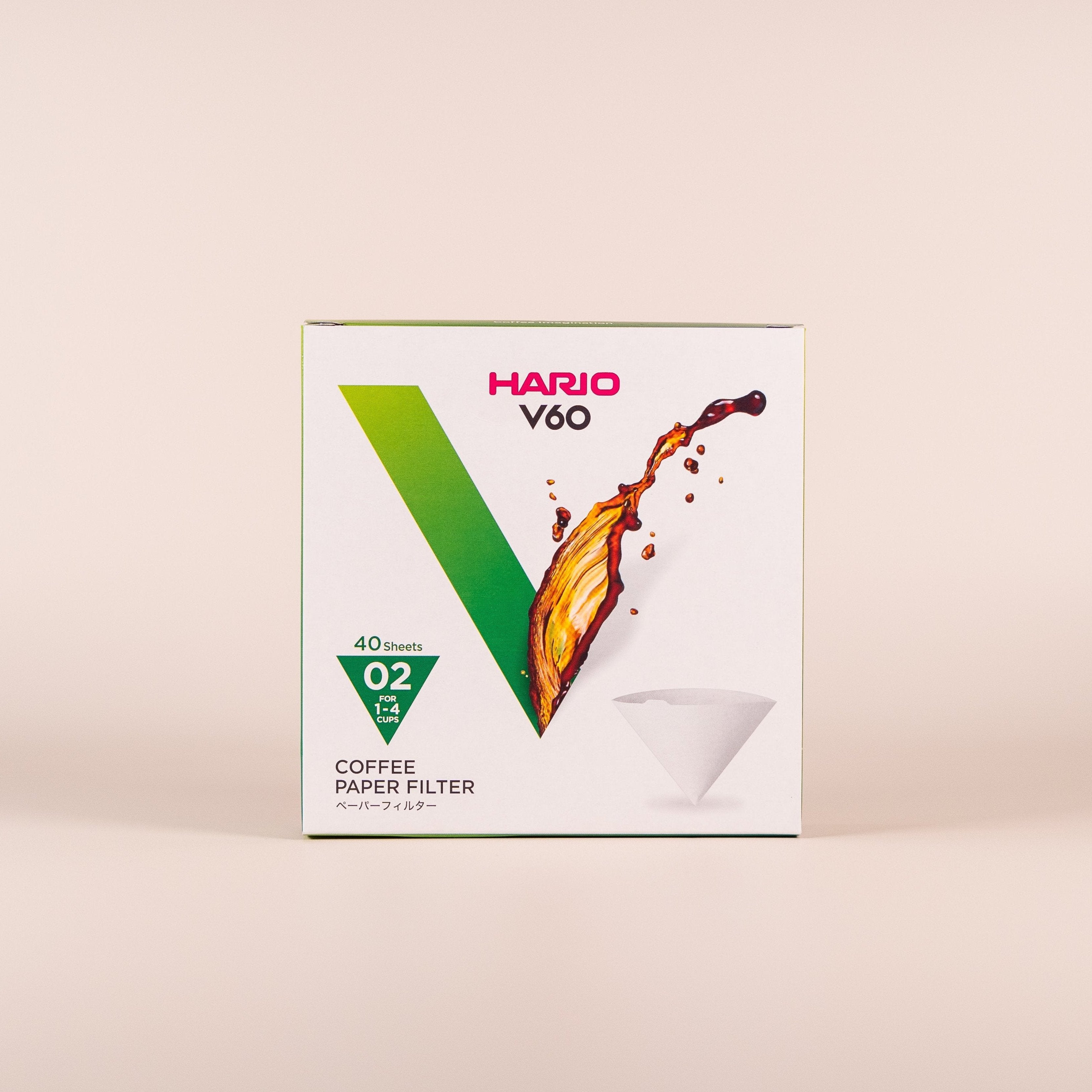
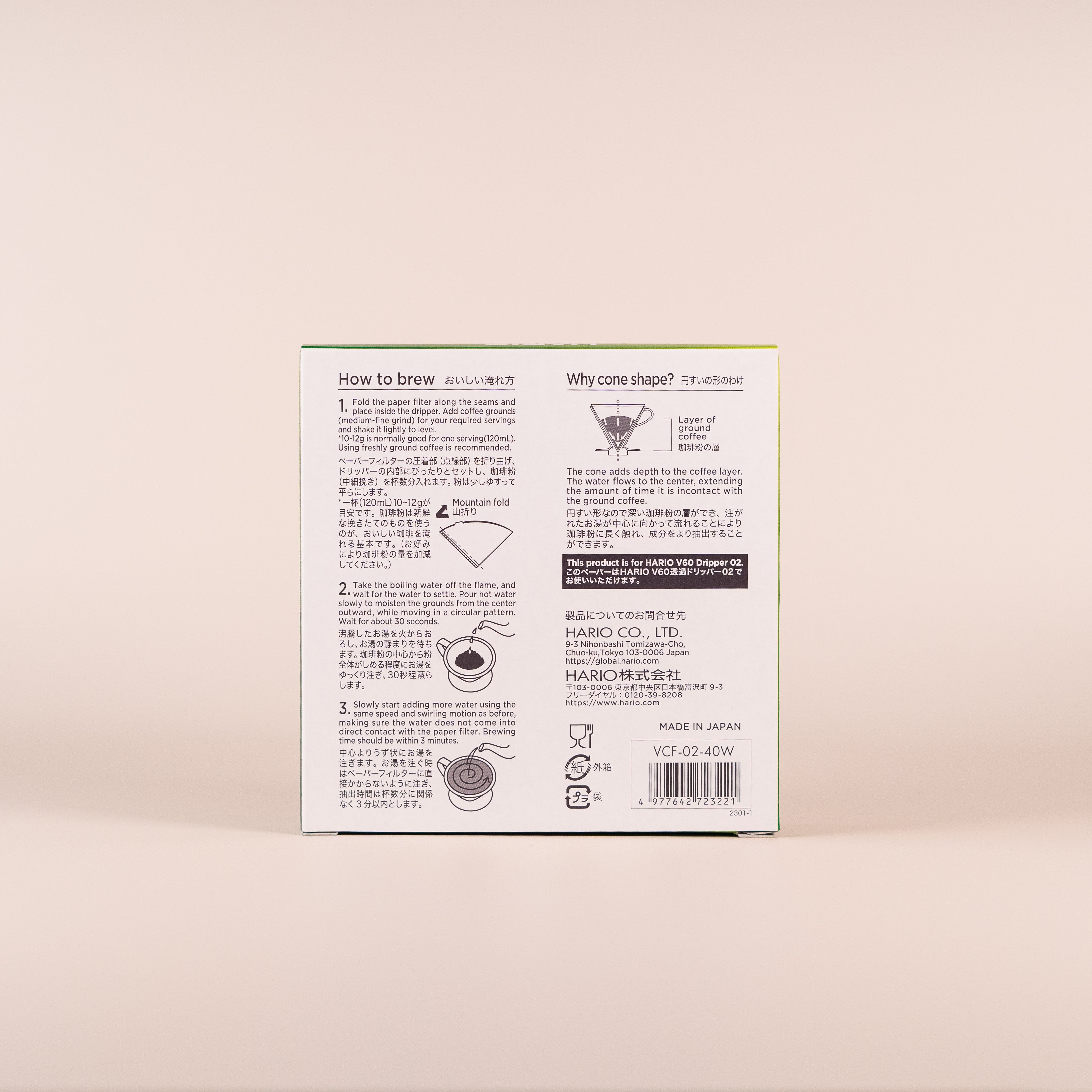
Hario V60 Filter Papers
Sale priceFrom $7.00

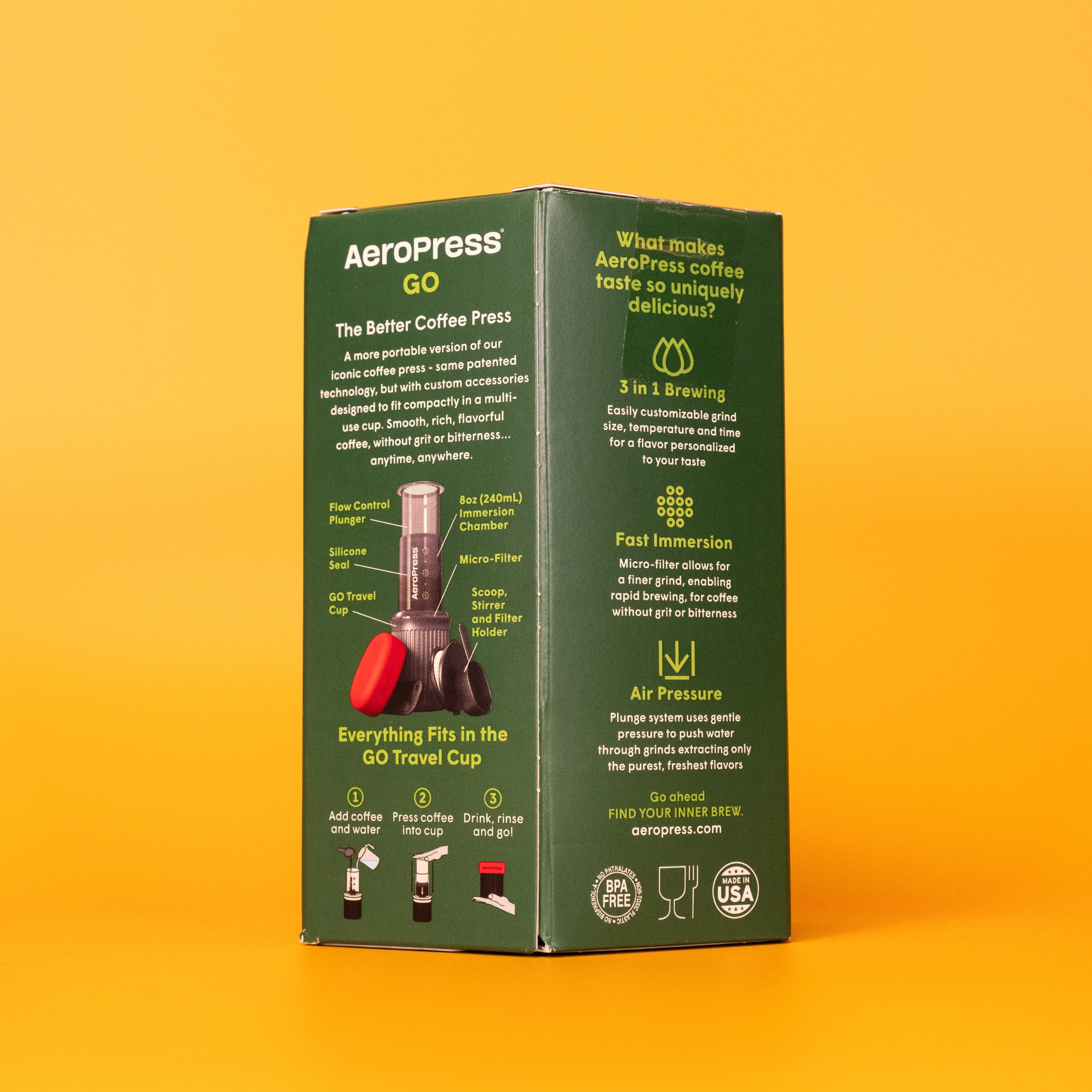
Aeropress Go
Sale price$62.00
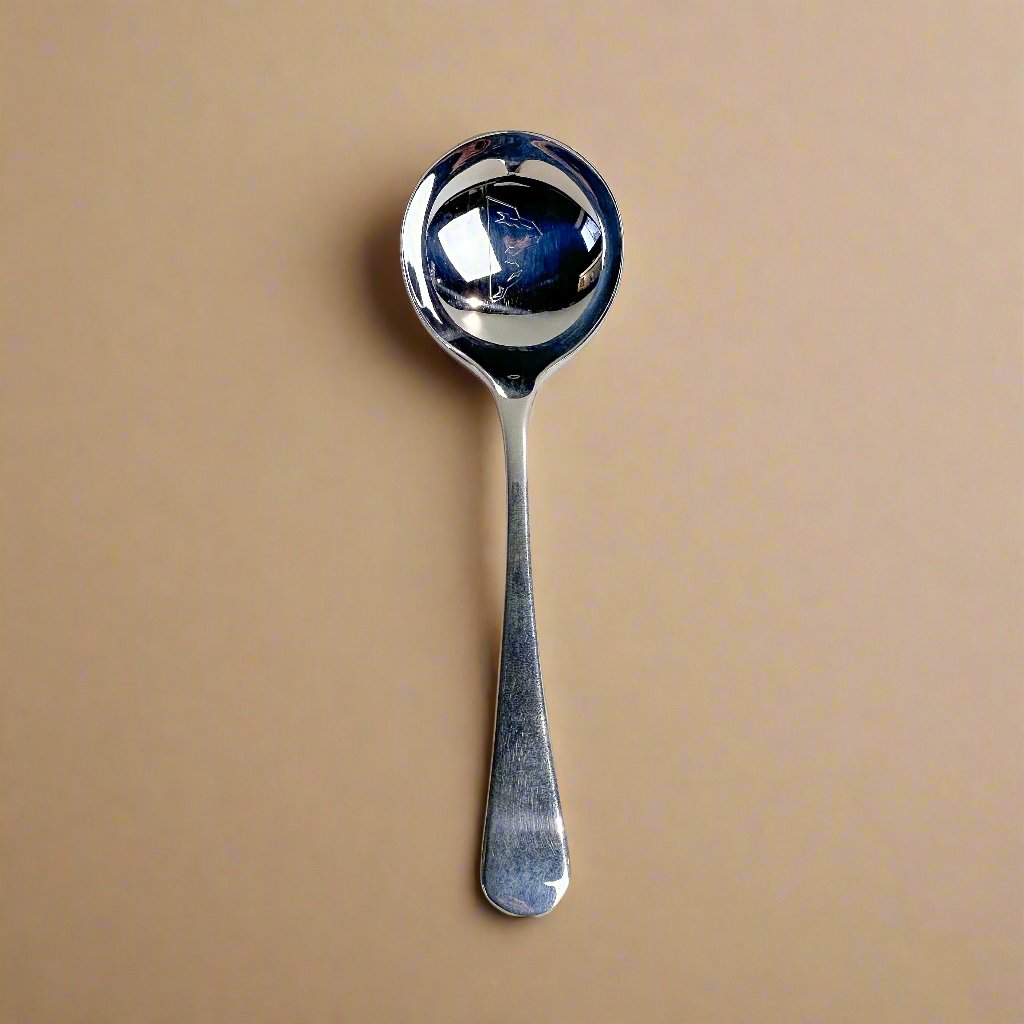
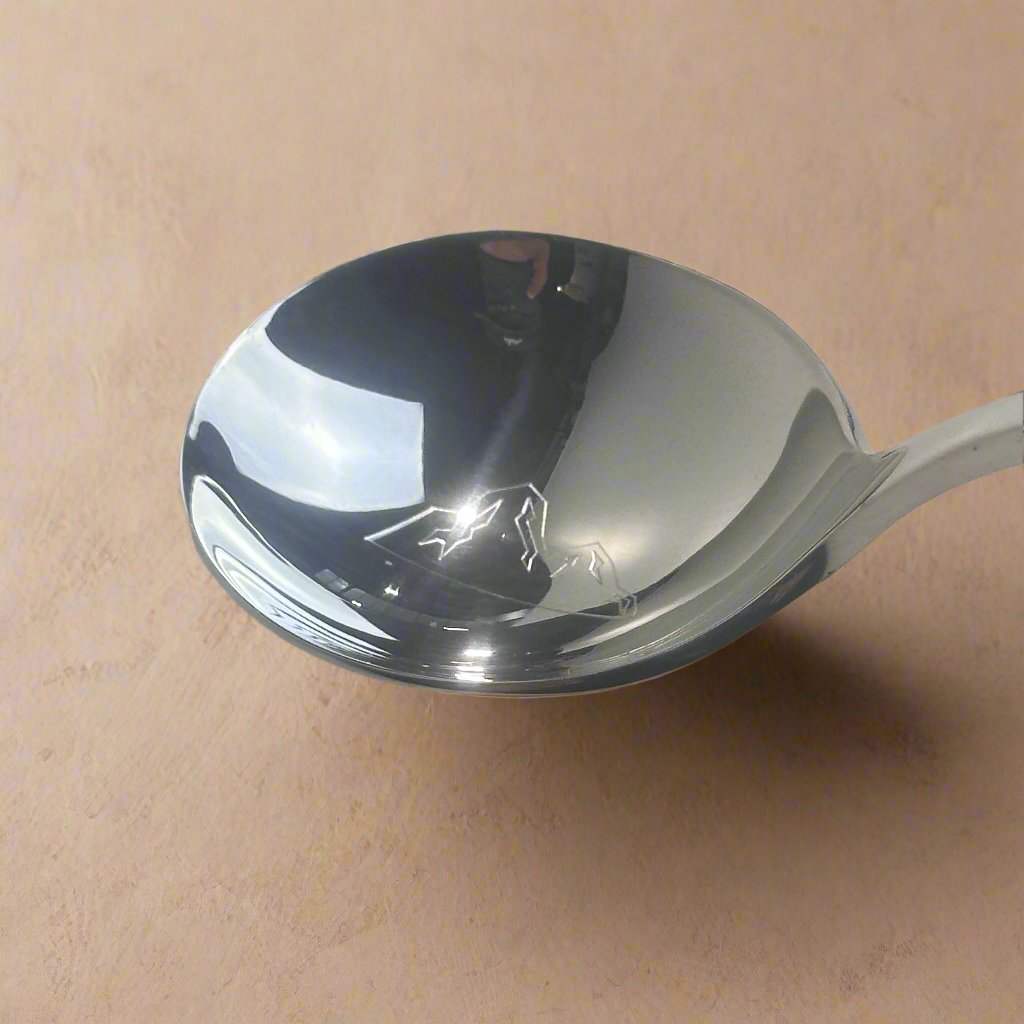
Cupping Spoon
Sale price$14.00
Regular price$18.00
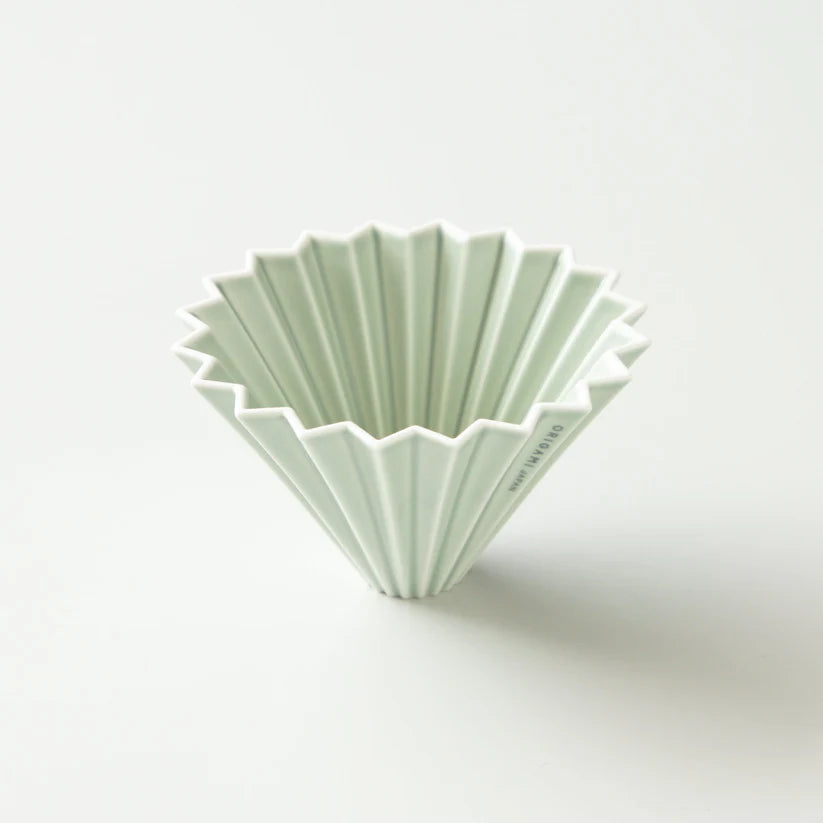
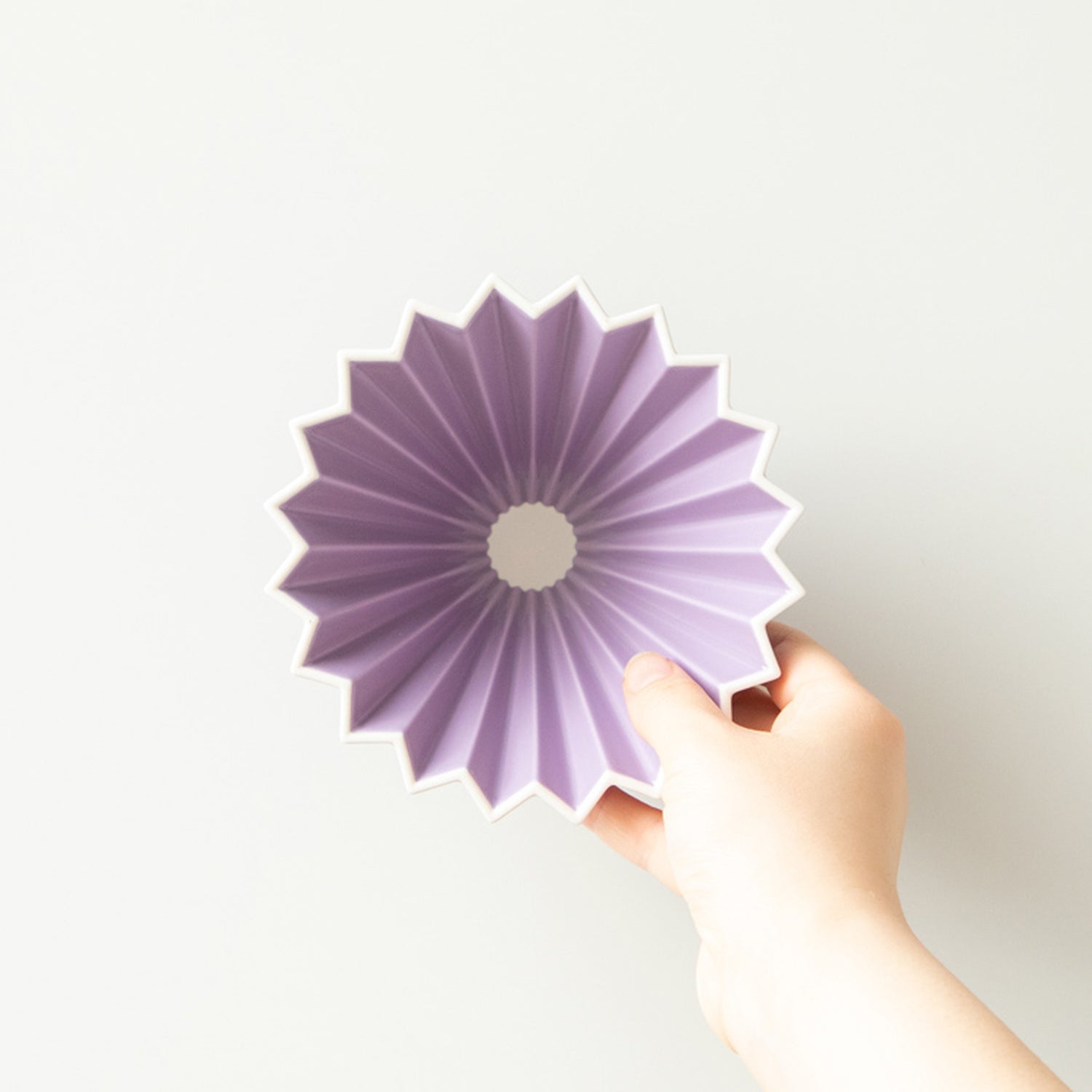
Origami Ceramic Dripper
Sale price$34.00
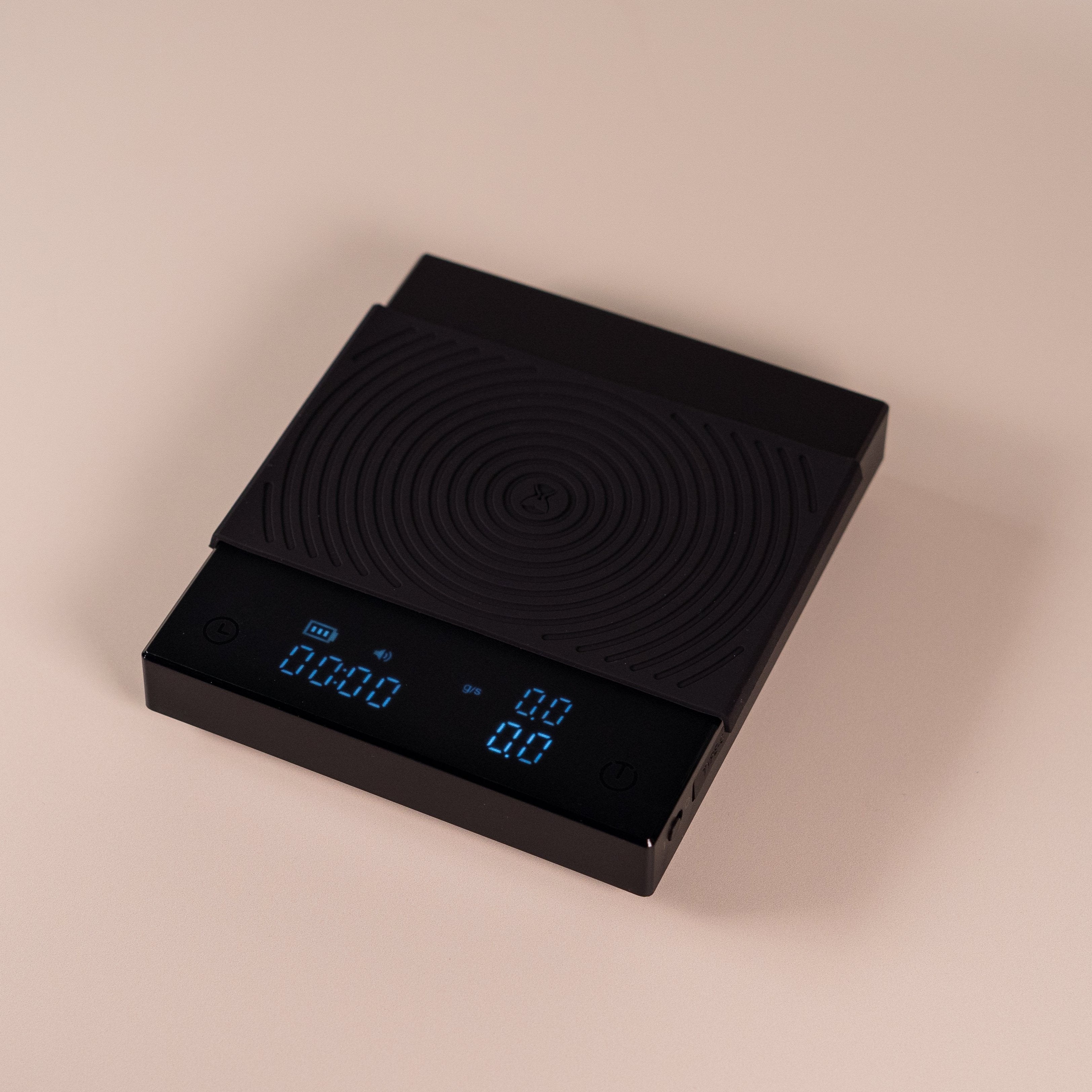
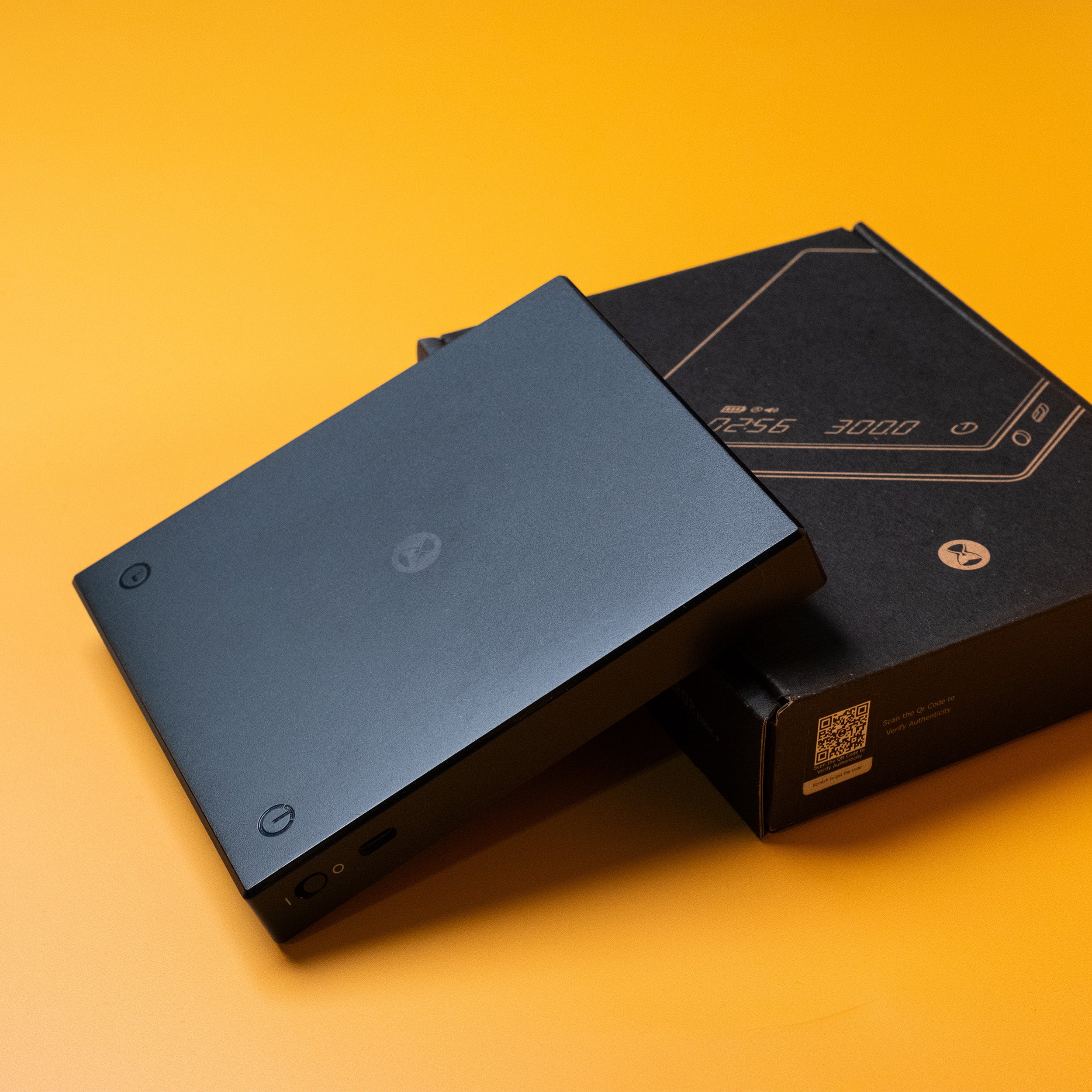
Timemore 'Black Mirror Basic 2' Scales
Sale price$81.00
![Origami Dripper holder [Wooden]](http://cairngorm.coffee/cdn/shop/files/origamiholder_a6599bd9-4184-45e9-a418-cddcf40d0095.webp?v=1759487492&width=823)
![Origami Dripper holder [Wooden]](http://cairngorm.coffee/cdn/shop/files/orgiami2_e48eb7c4-acef-4dd2-b90e-c4e3d5d943a4.webp?v=1759487492&width=823)
Origami Dripper holder [Wooden]
Sale price$18.00
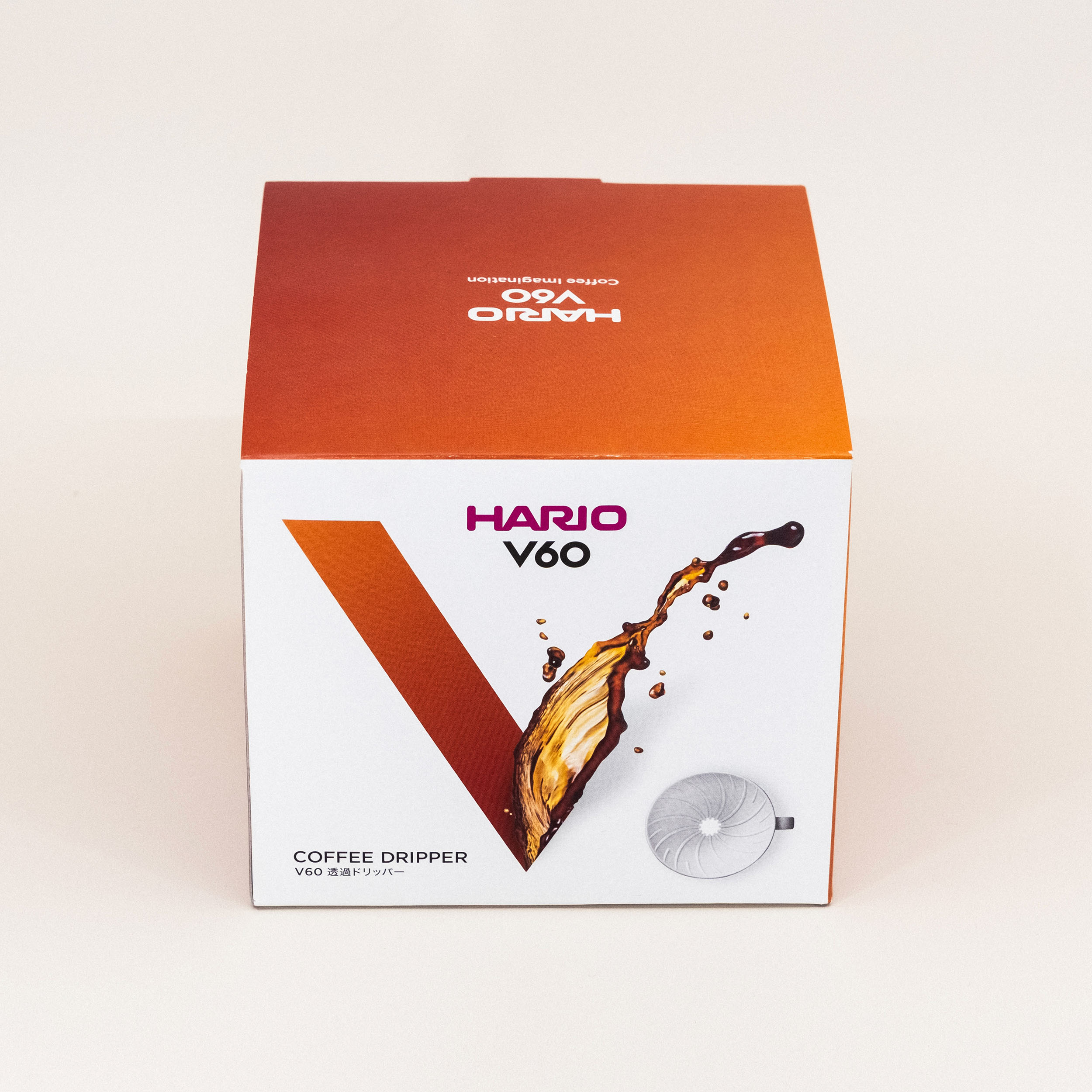
Hario V60 Plastic Coffee Dripper
Sale priceFrom $11.00
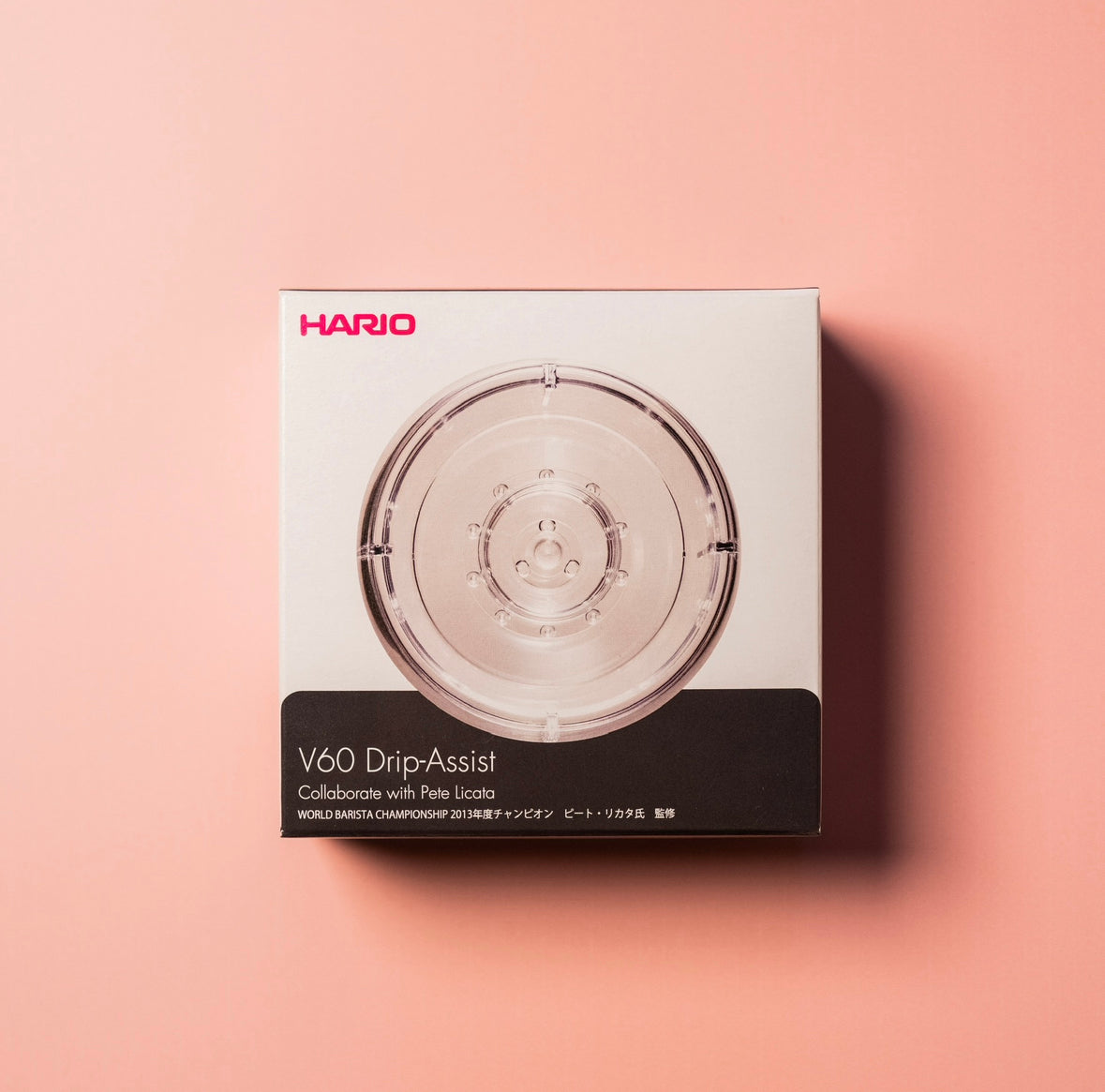
Hario Drip-Assist
Sale price$21.00
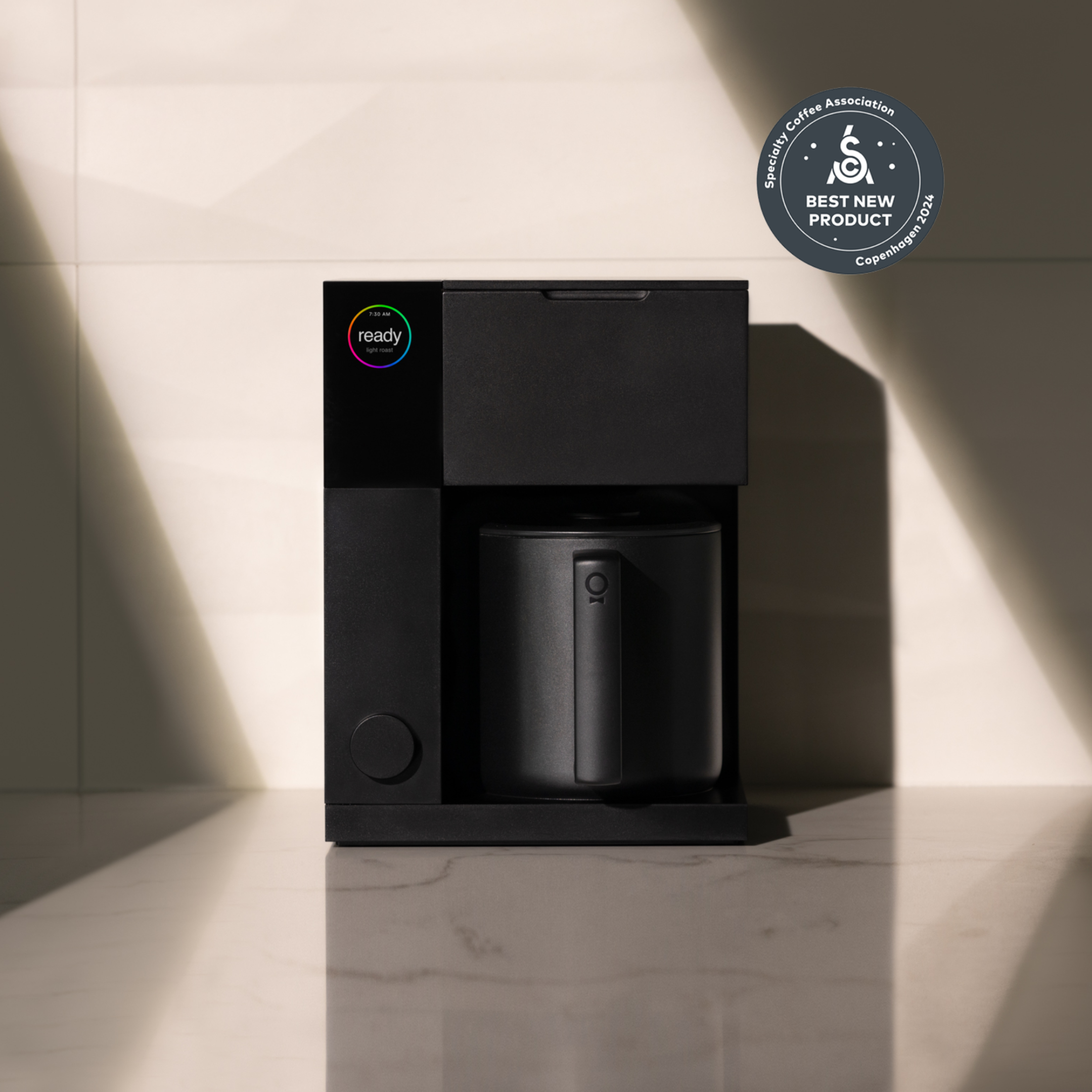
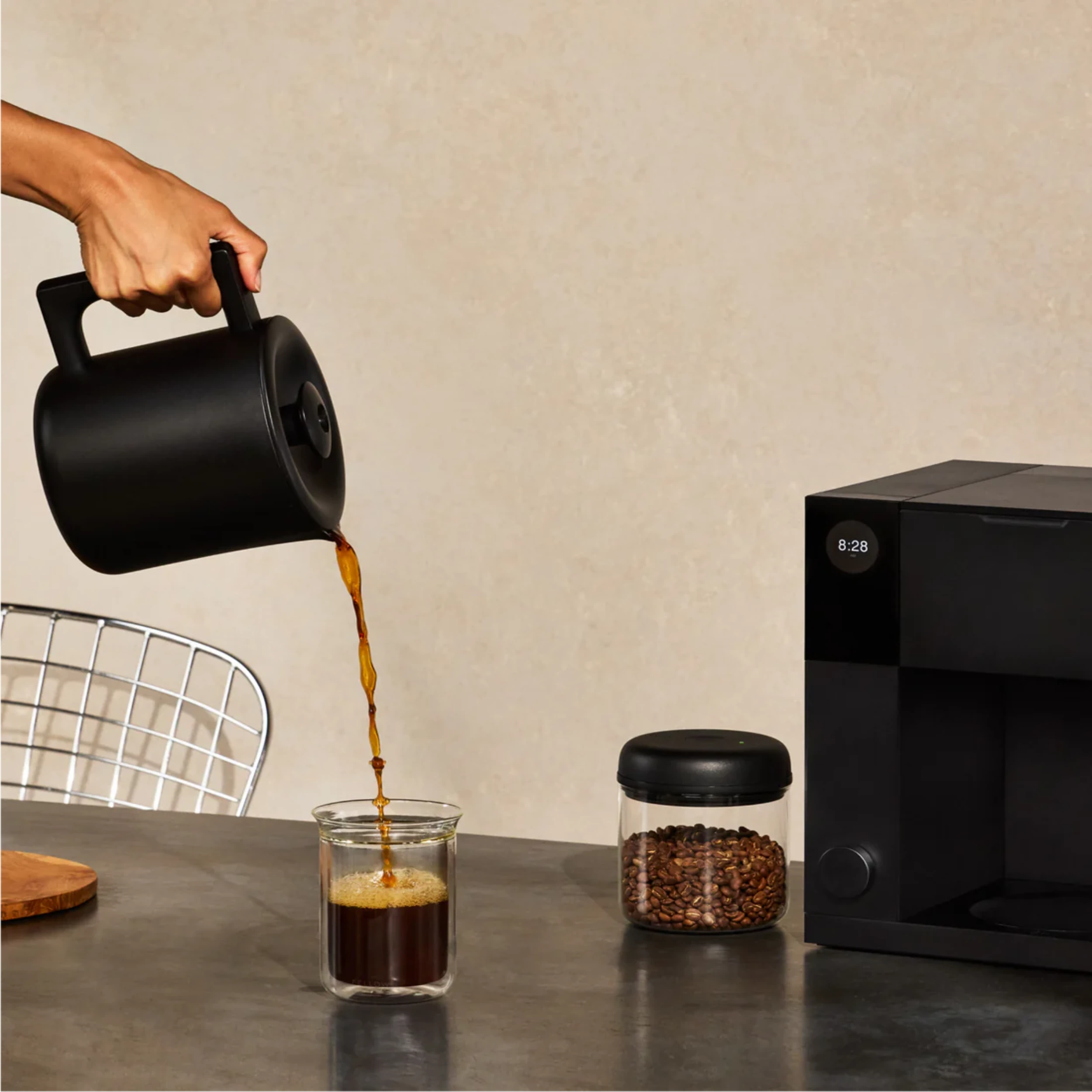
Fellow Aiden Precision Coffee Brewer
Sale price$498.00
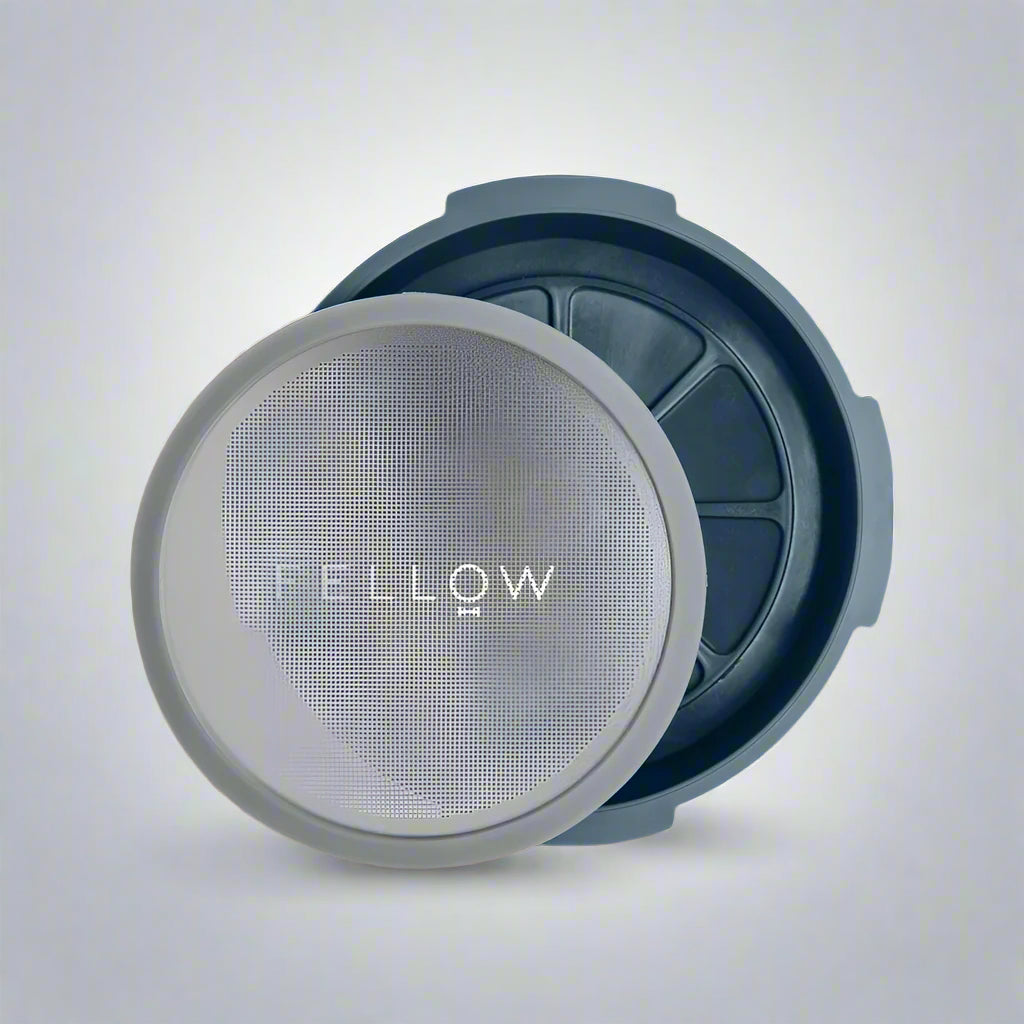
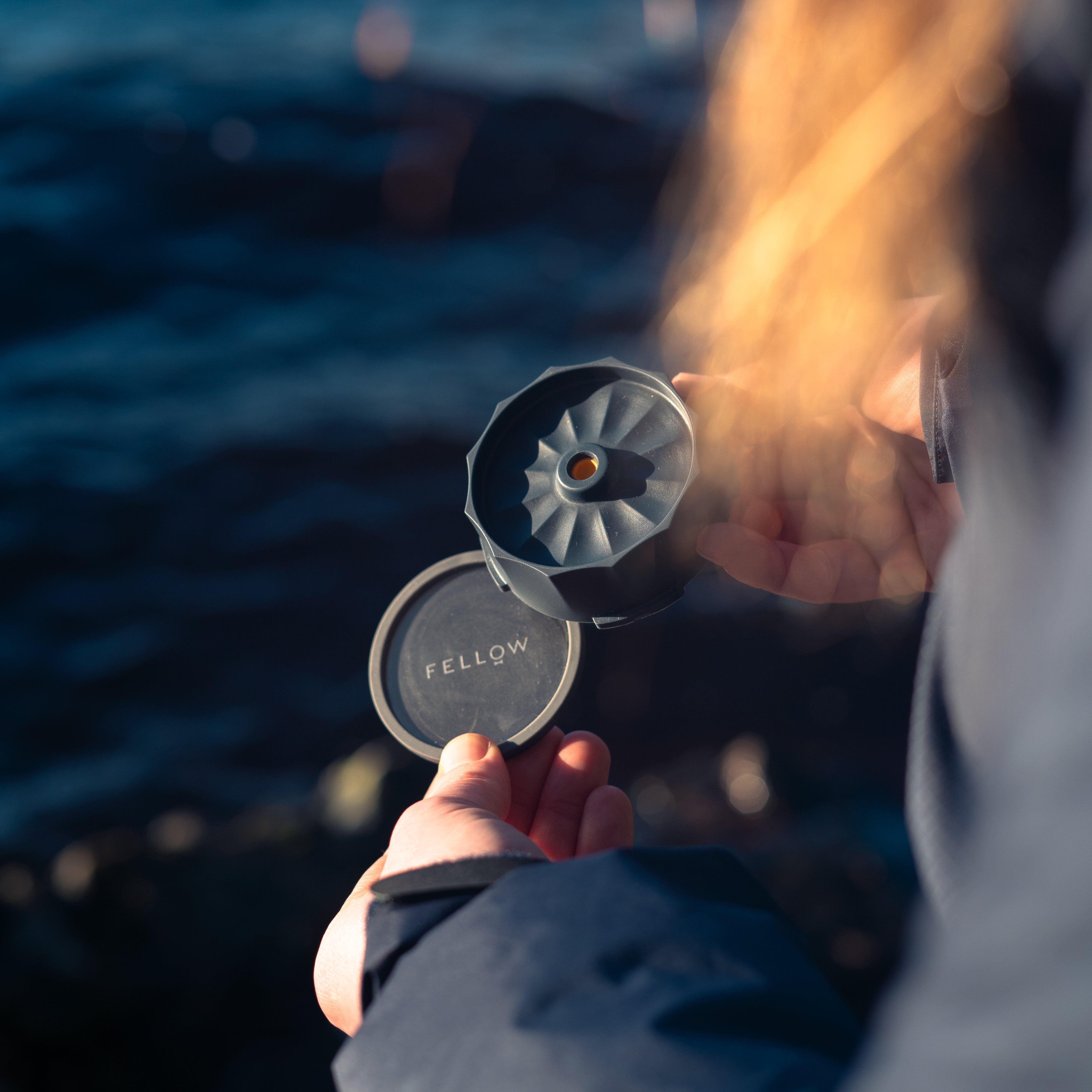
Fellow Prismo
Sale price$41.00
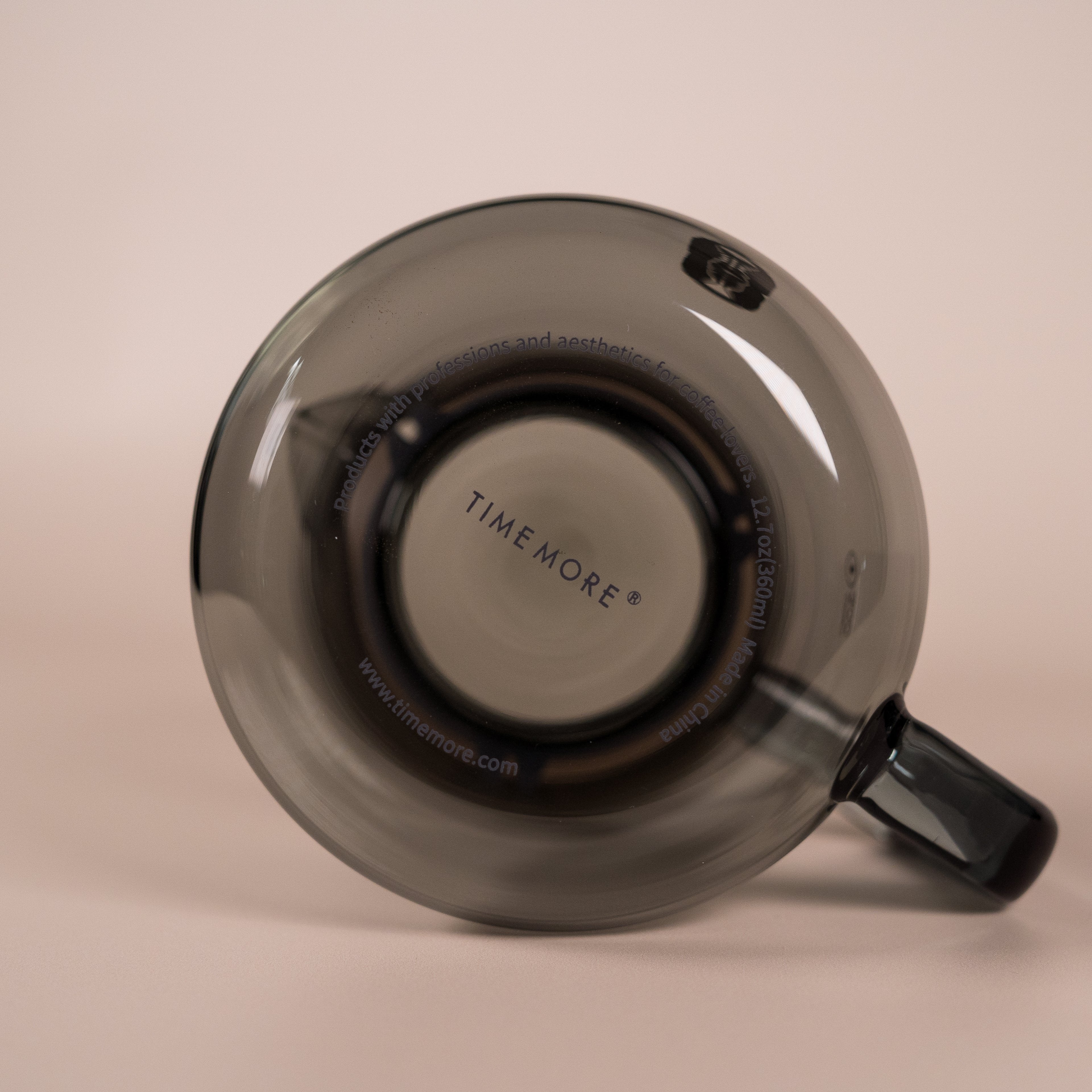
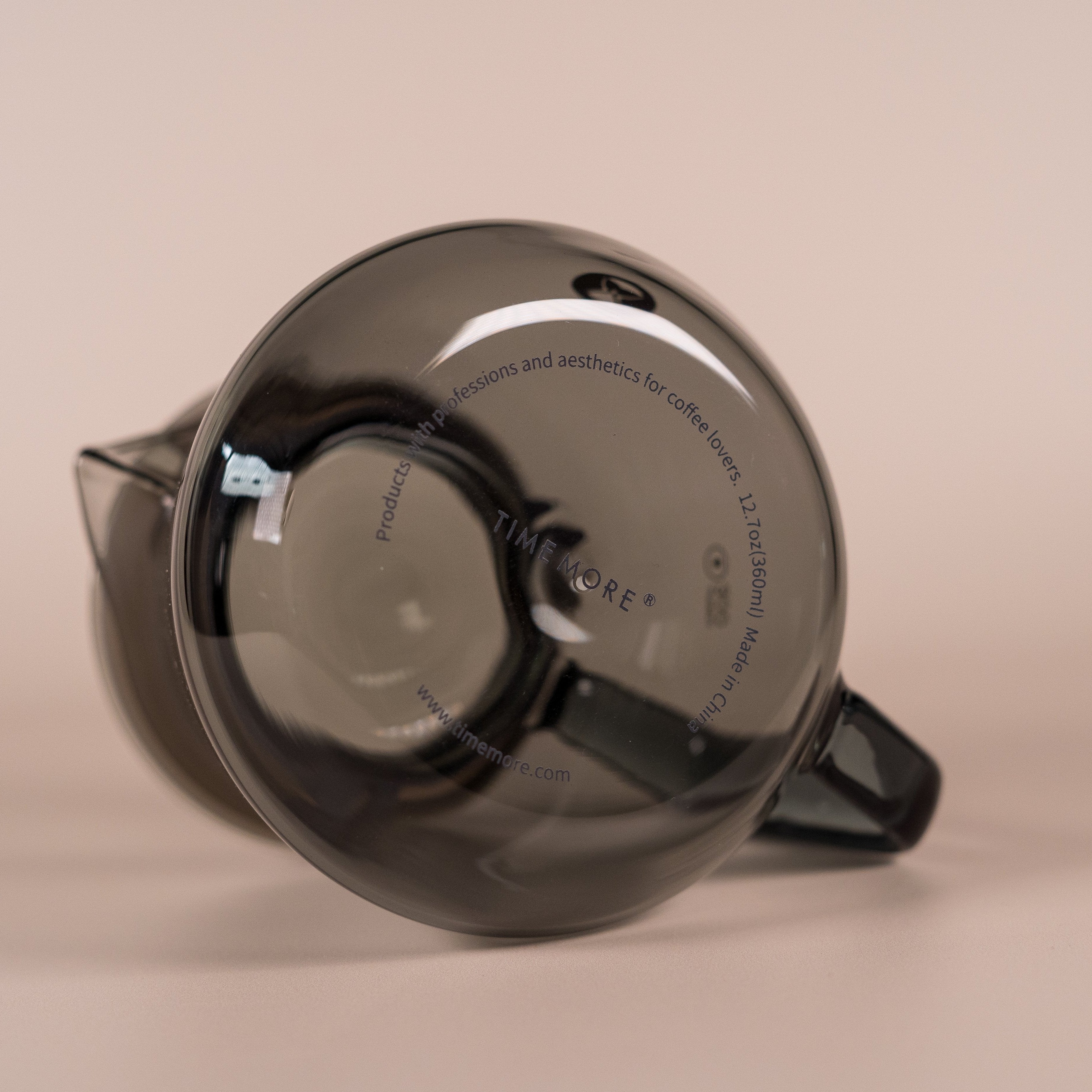
Timemore Coffee Server
Sale price$26.00
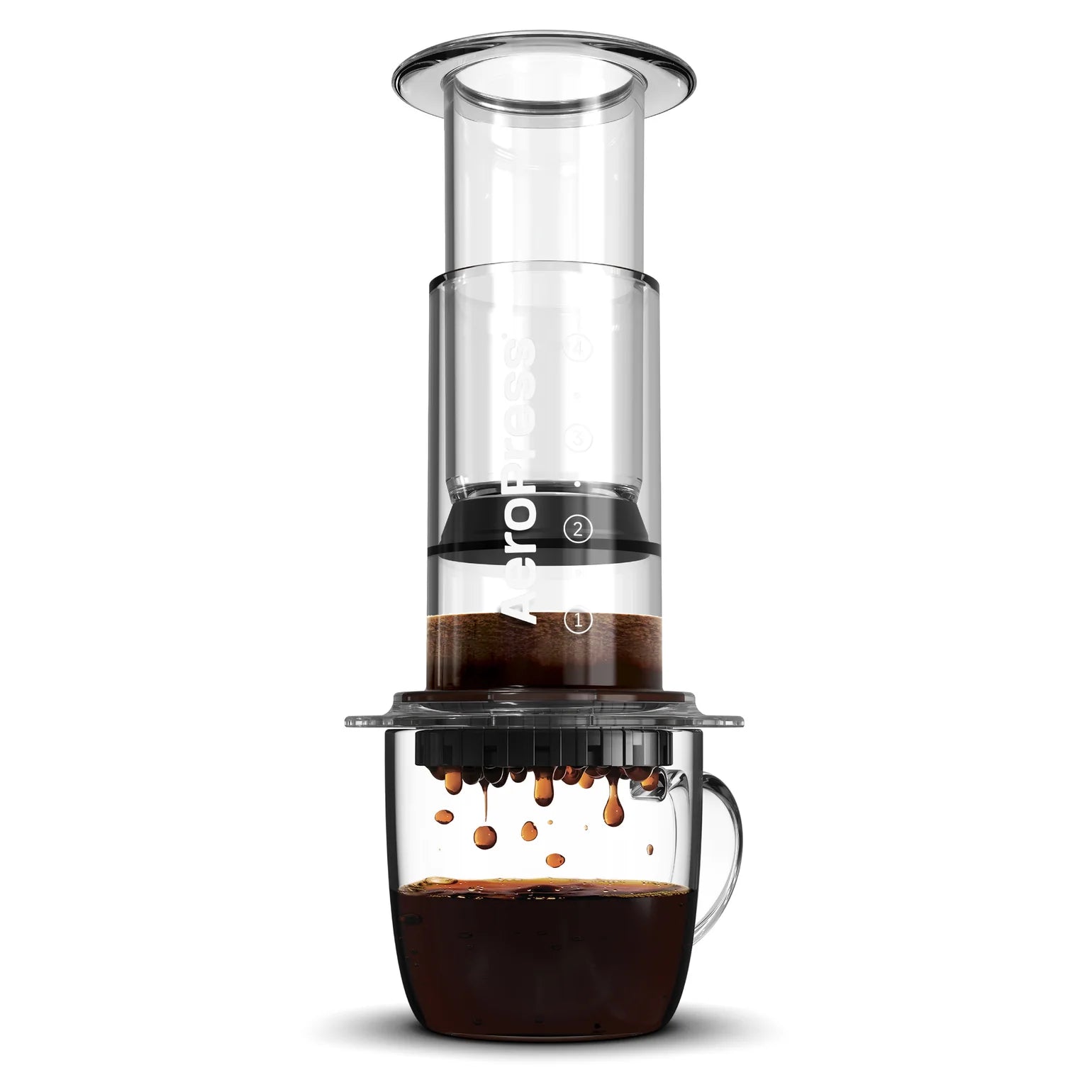
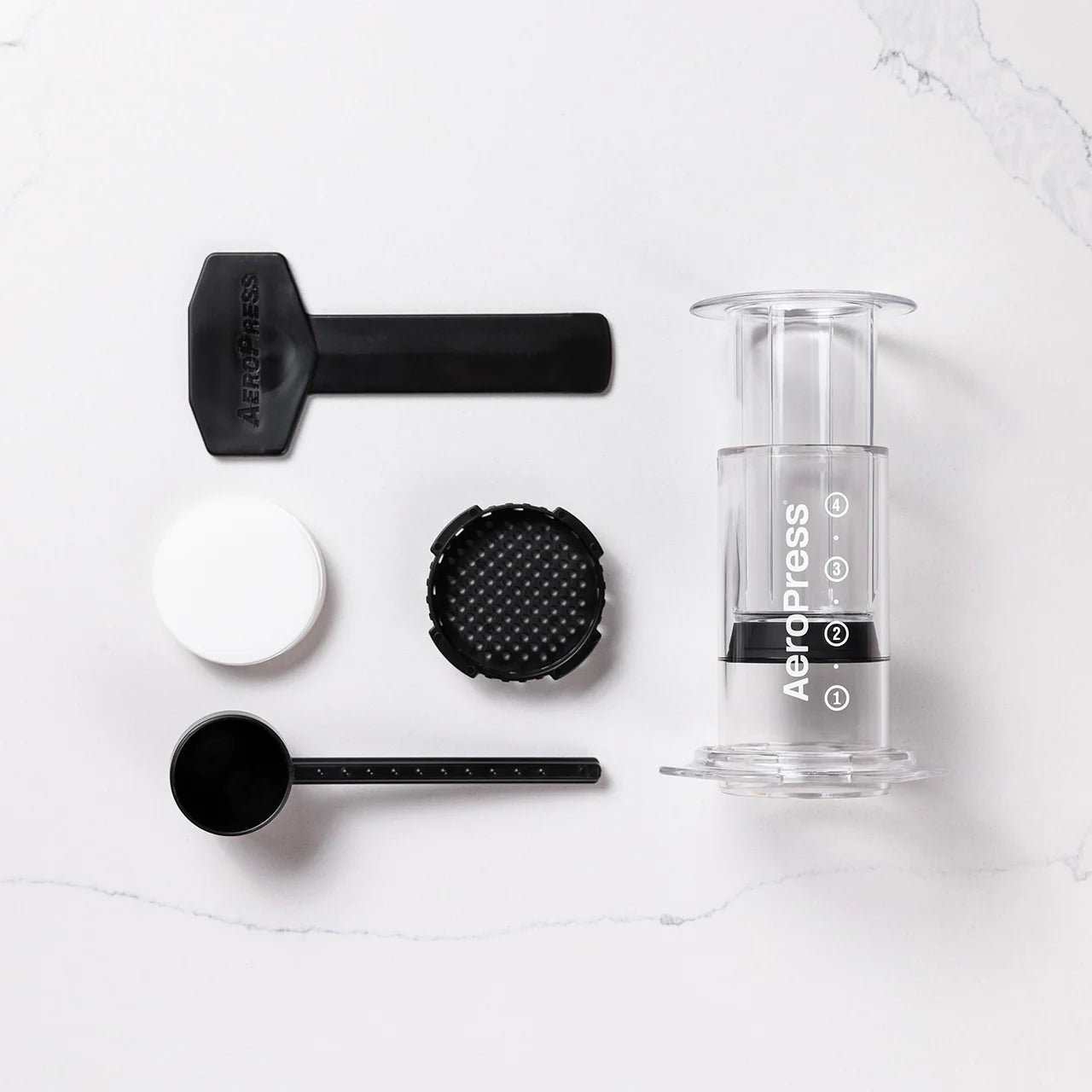
AeroPress Clear
Sale price$75.00
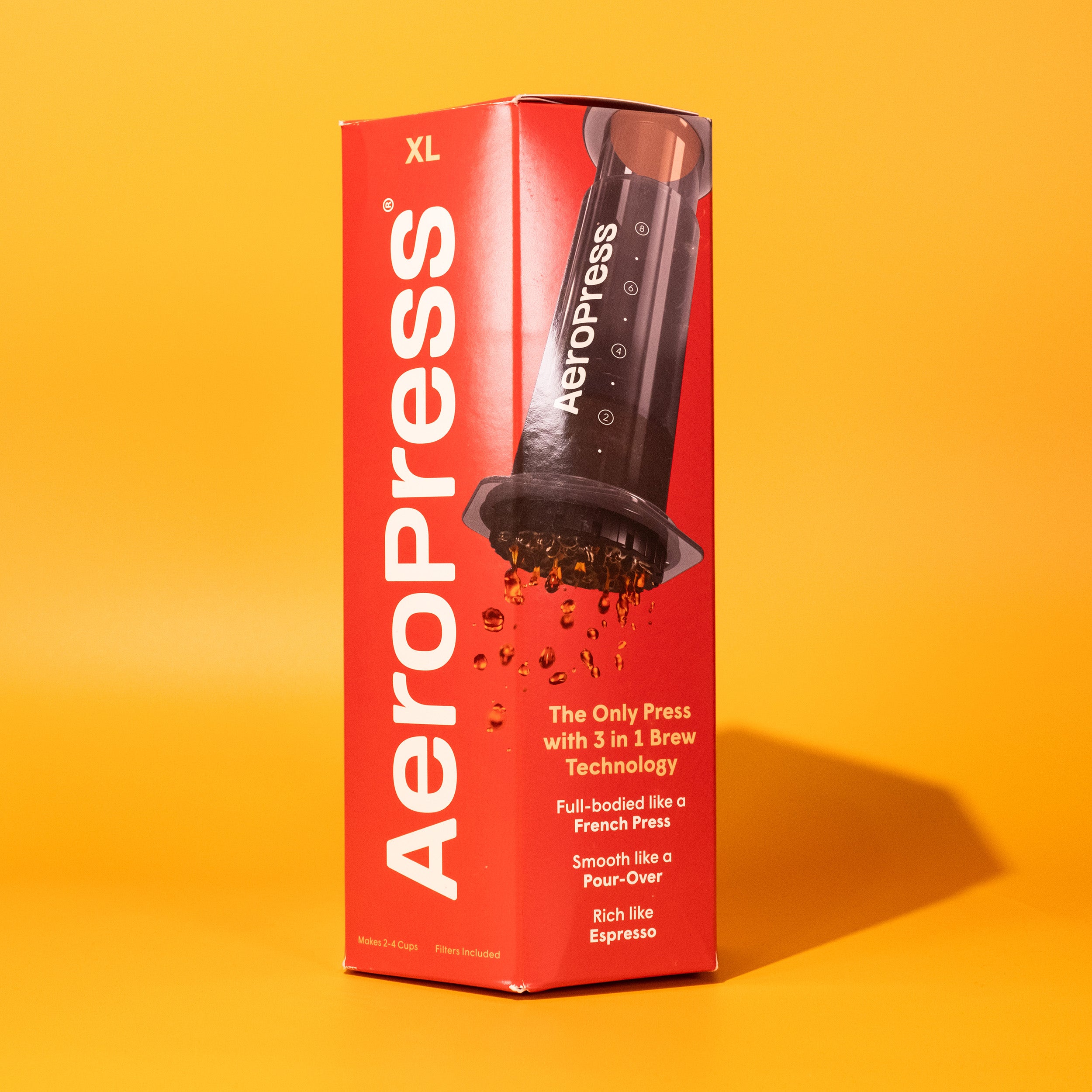
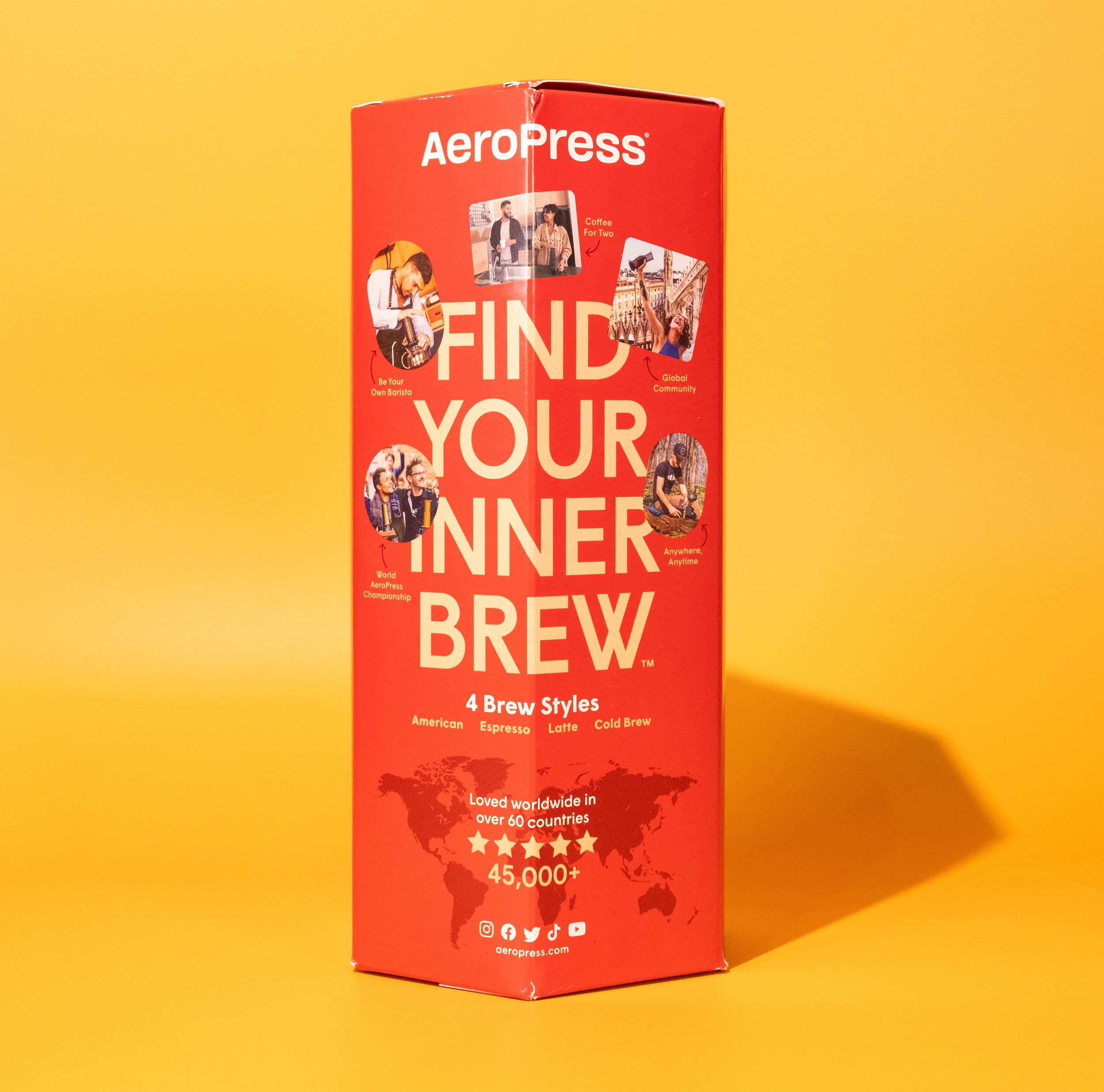
Aeropress XL (+ Carafe)
Sale price$107.00
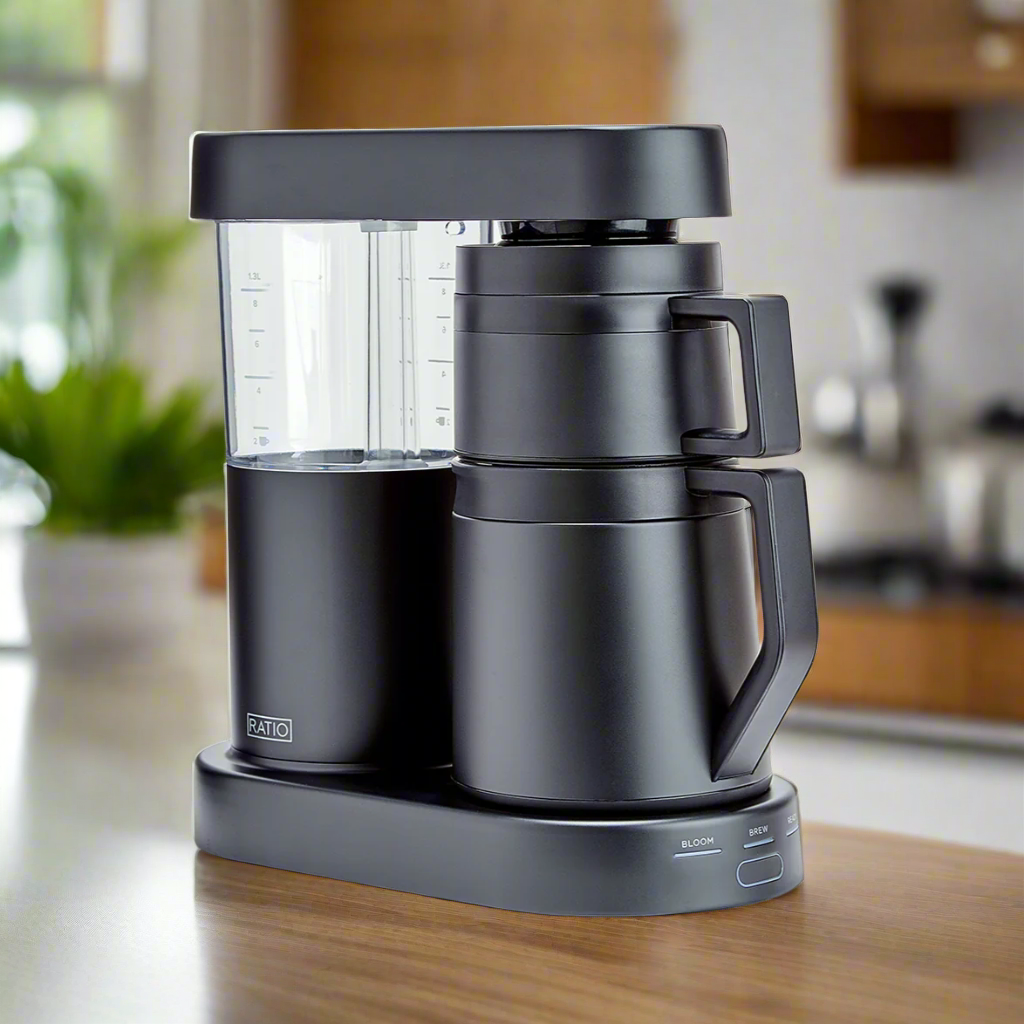
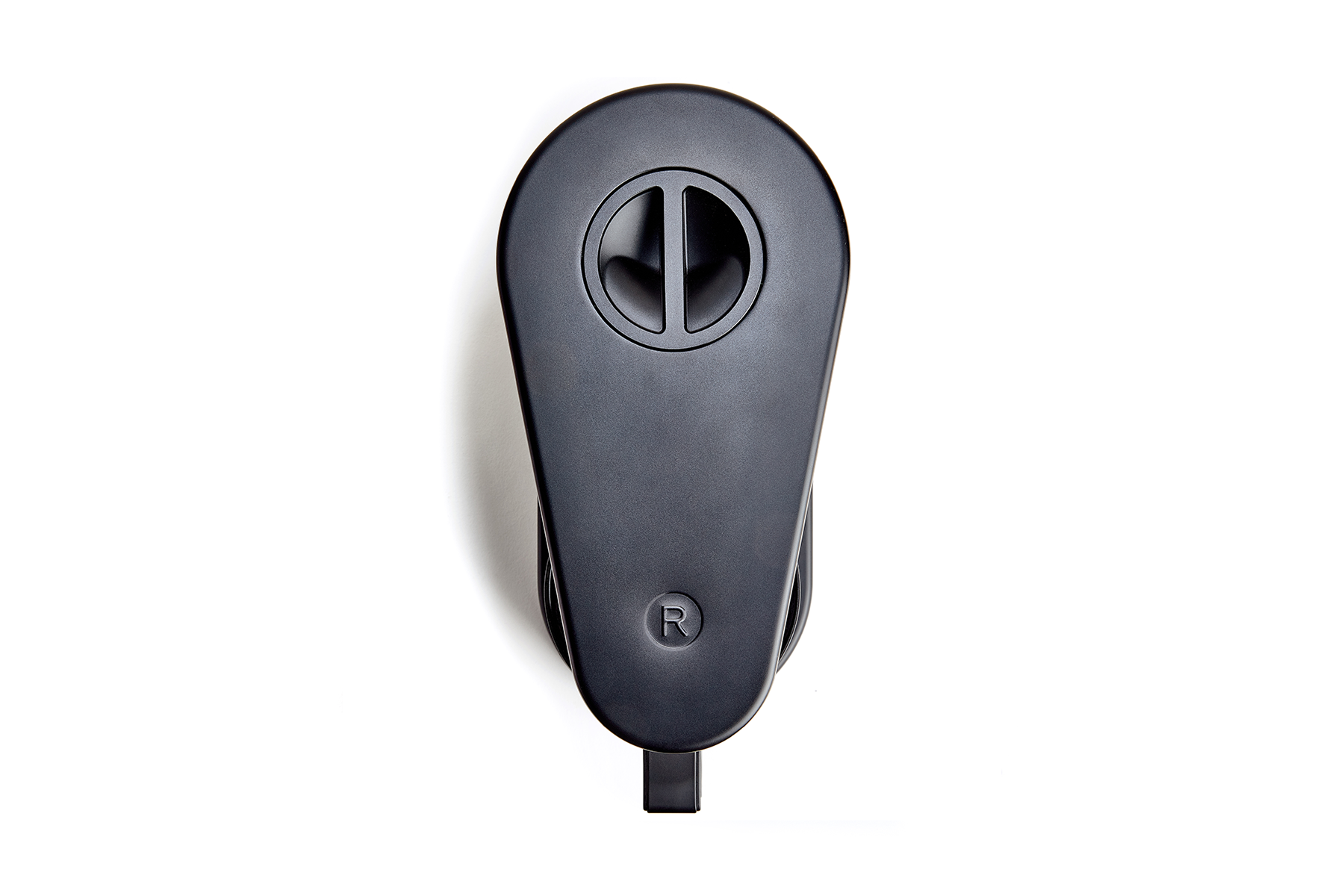
Ratio 6 - Coffee Brewer
Sale price$402.00
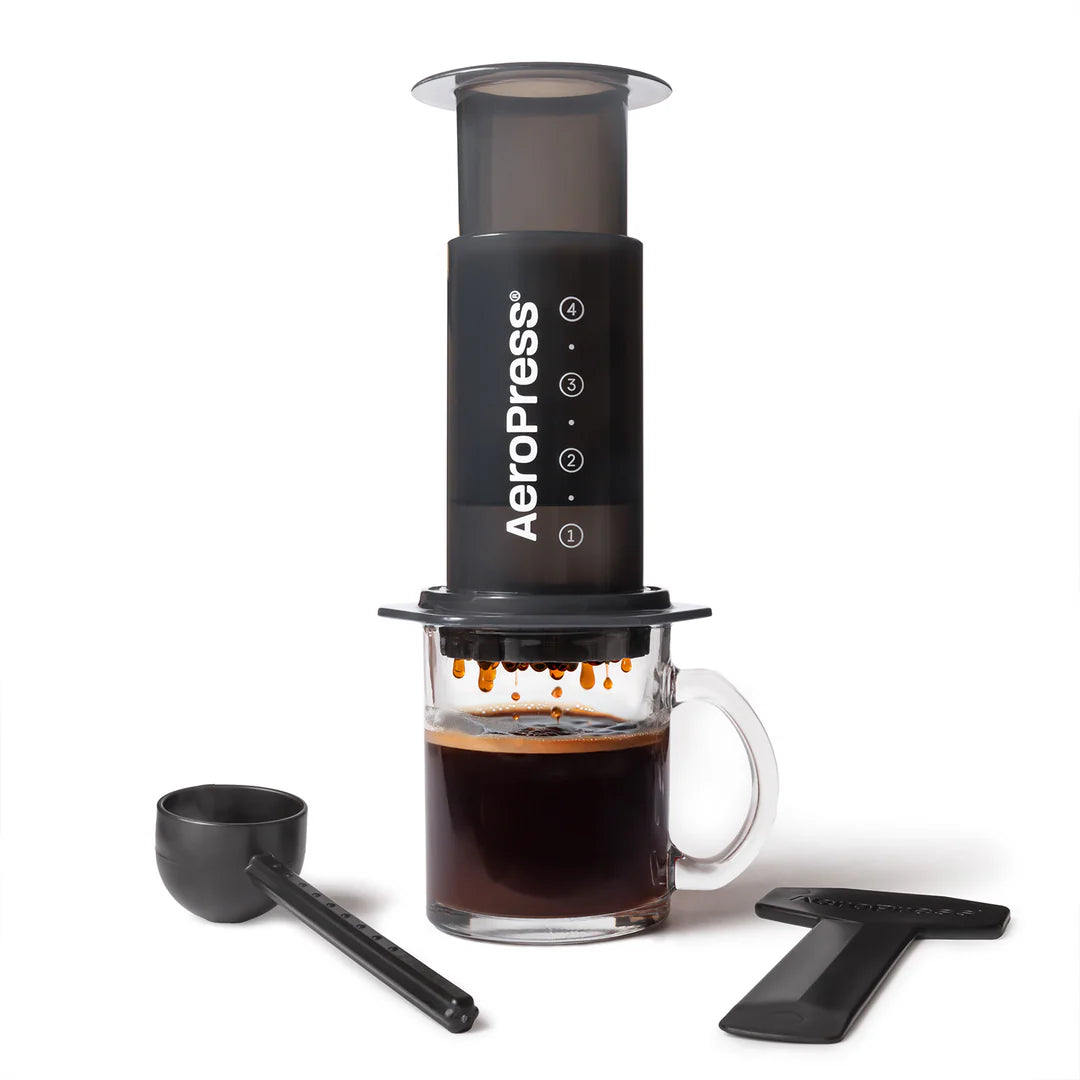
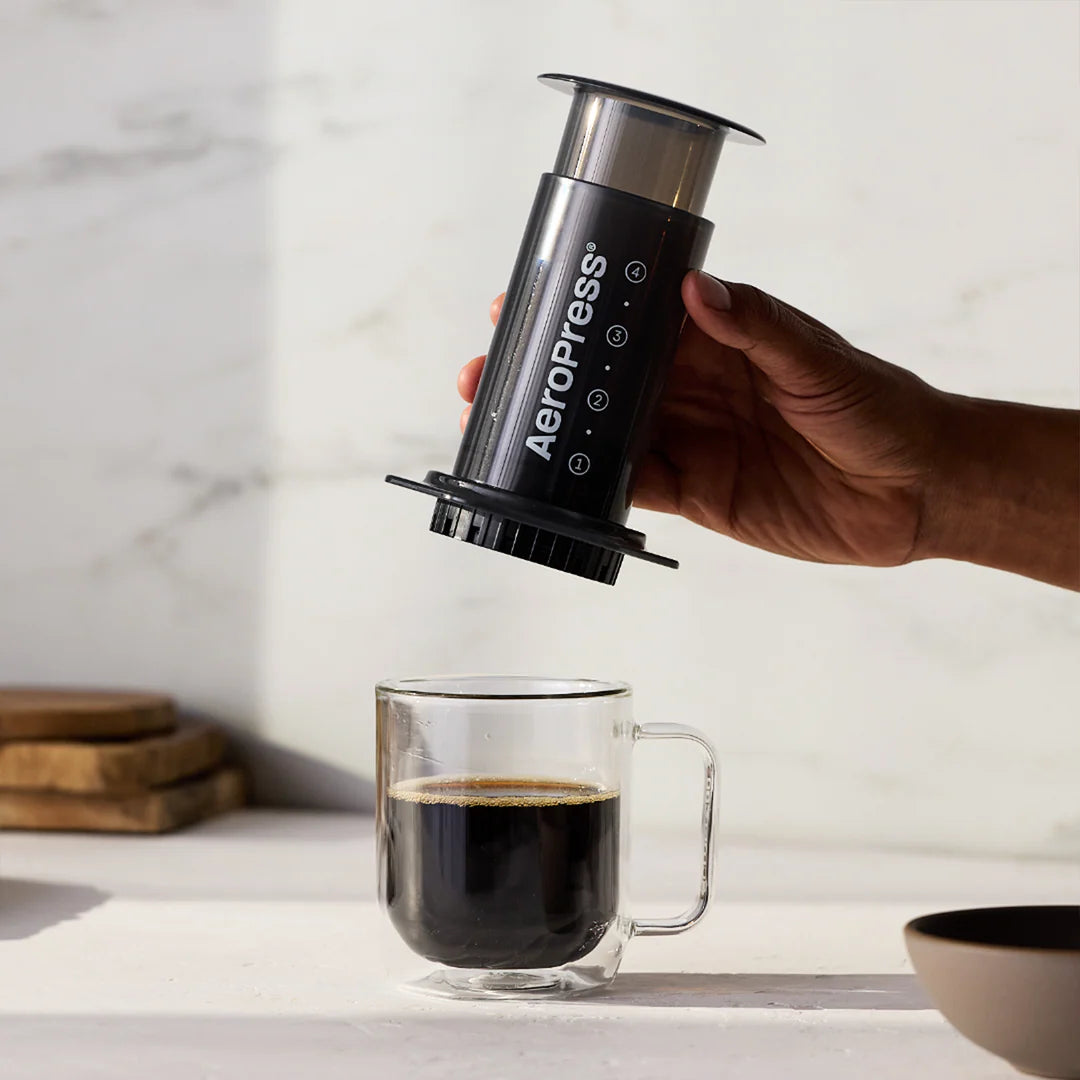
AeroPress Original
Sale price$52.00
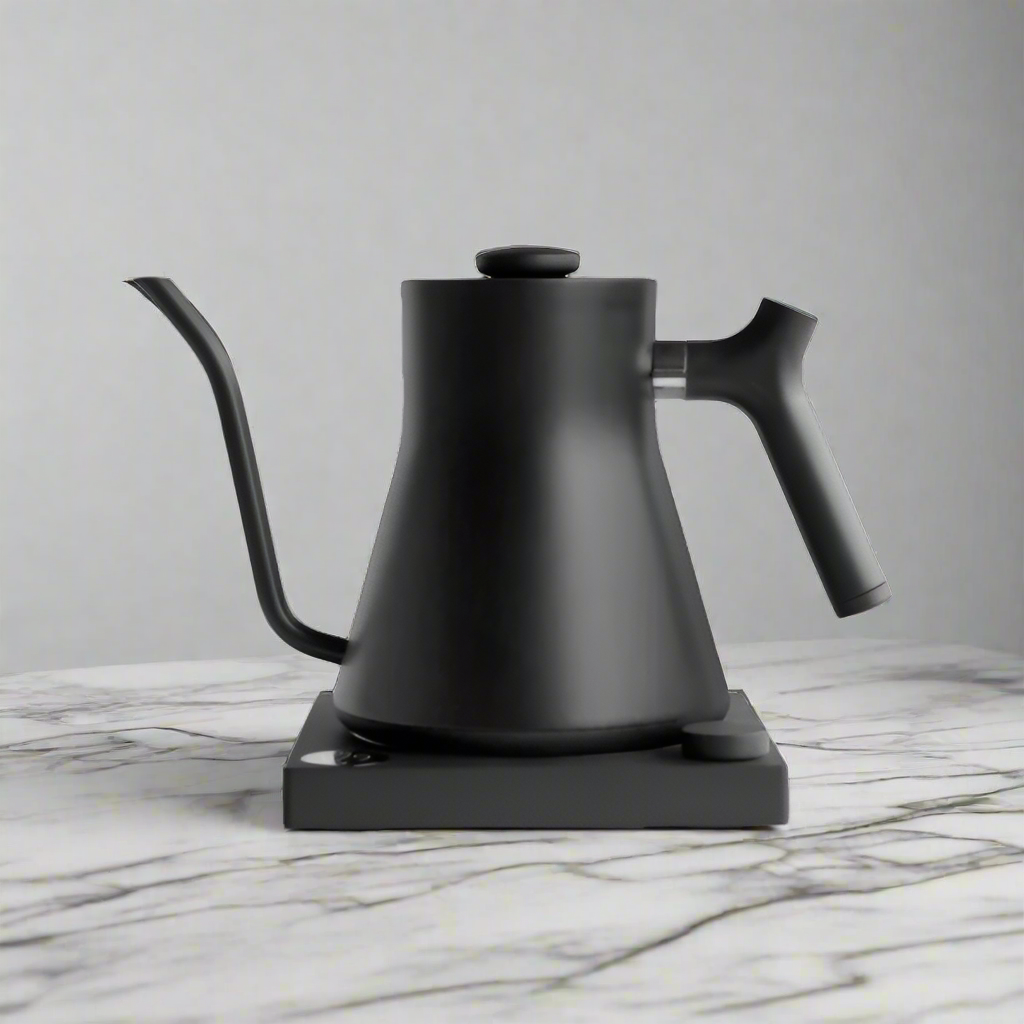
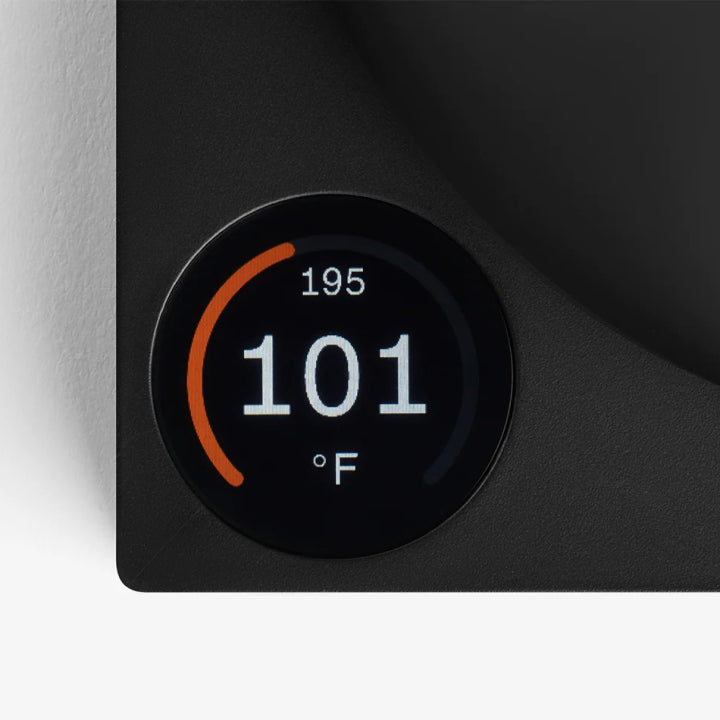
Fellow Stagg EKG PRO Electric Pouring Kettle
Sale price$266.00
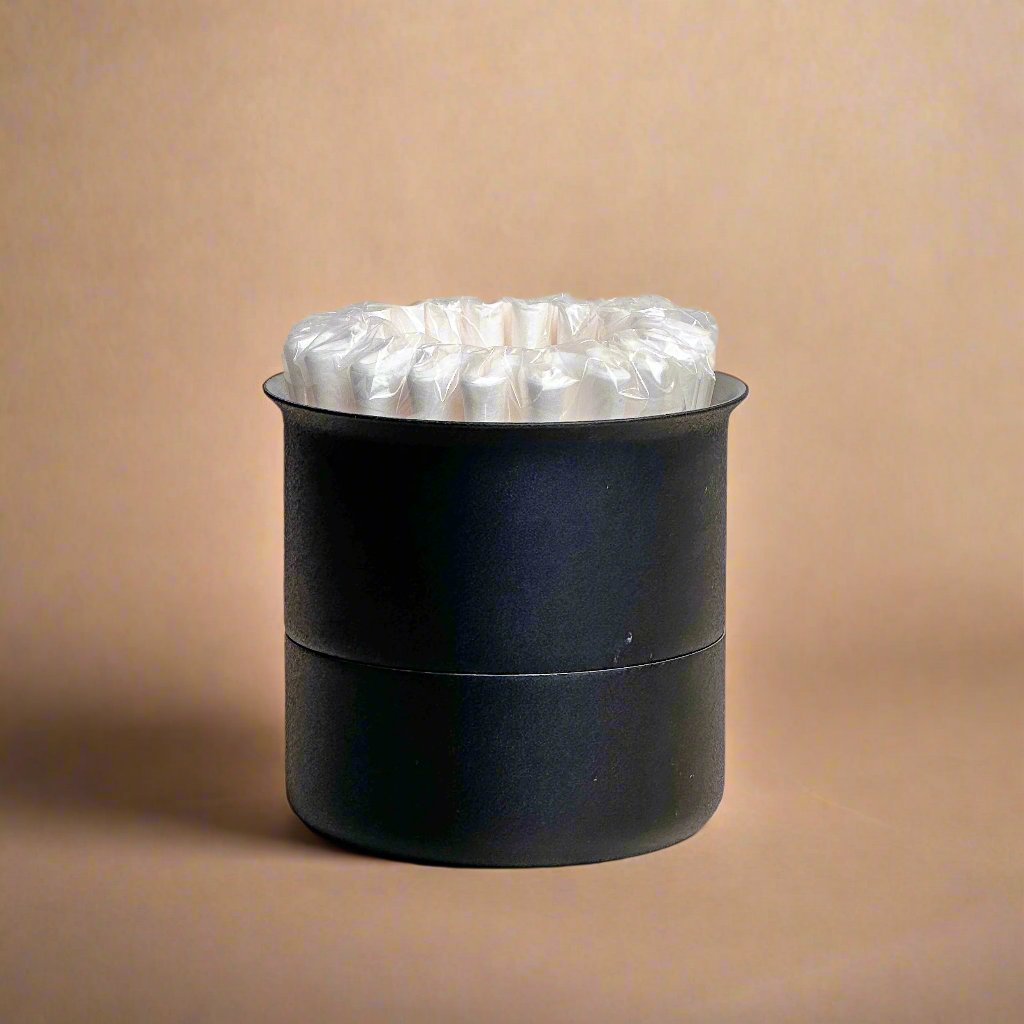
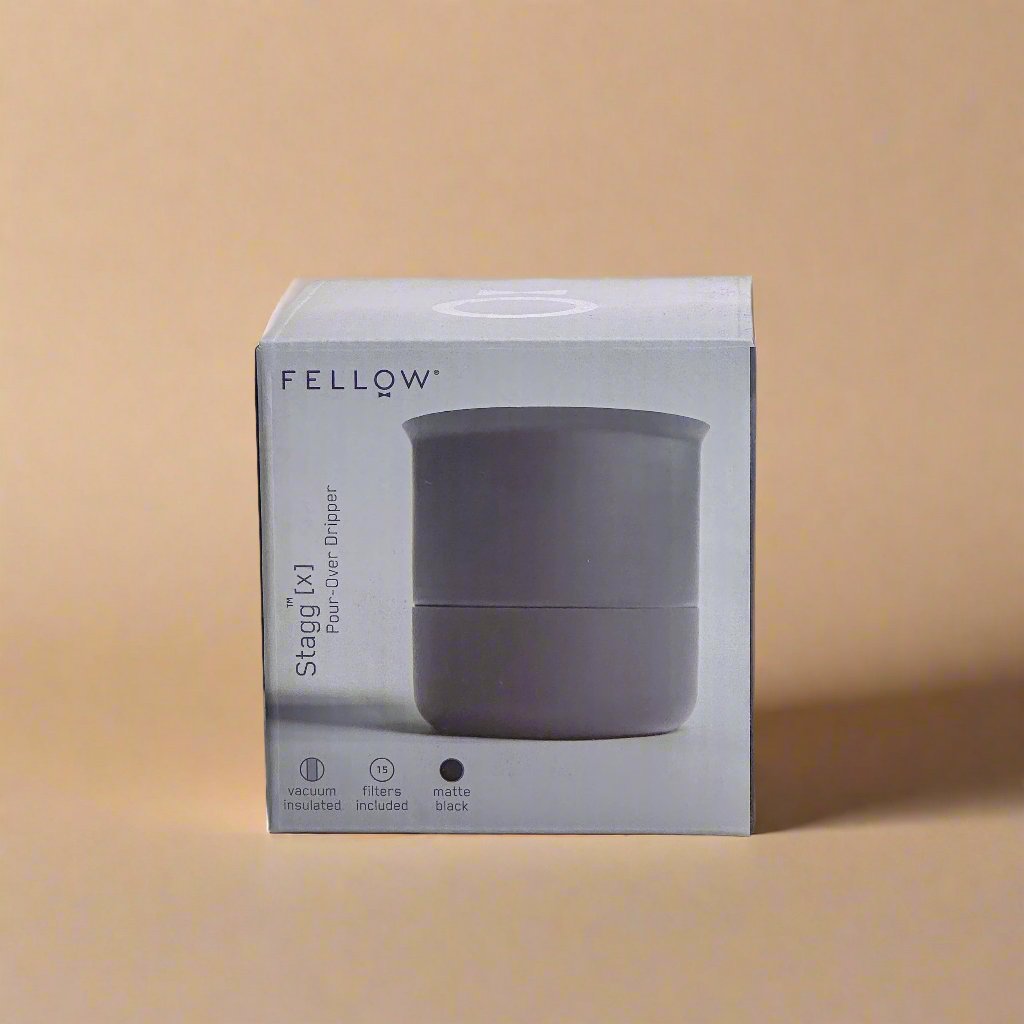
Fellow Stagg X Dripper
Sale price$82.00